




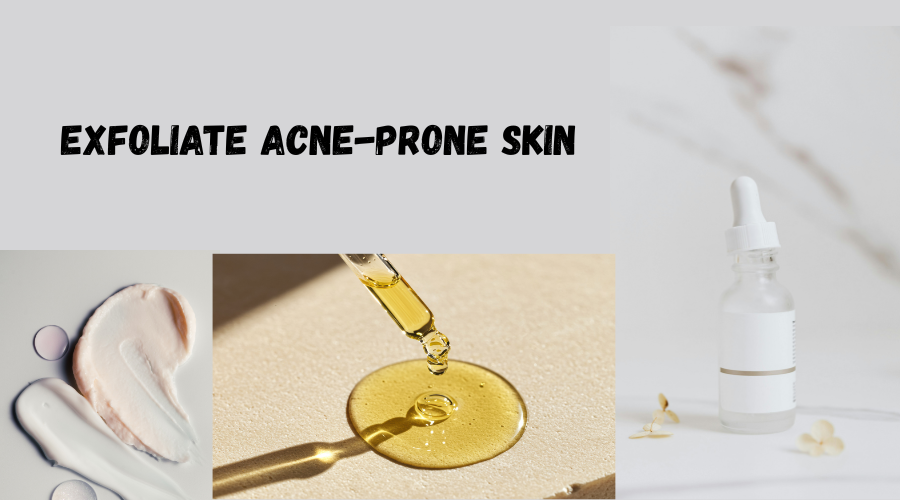
Exfoliating your skin can feel like a double-edged sword, especially when you’re dealing with acne. Done right, it helps unclog pores, remove dead skin cells, and reveal smoother, clearer skin. Done wrong, it can irritate your skin, worsen breakouts, and damage your skin barrier.
So how do you strike the perfect balance?
In this complete guide, you’ll learn how to exfoliate acne-prone skin safely, the best natural remedies, how to use scrubs correctly, and expert-backed techniques that actually work.
Exfoliation is the process of removing dead skin cells from the surface of your skin. When these cells build up, they can clog pores, leading to blackheads, whiteheads, and active acne.
For acne-prone skin, exfoliation helps:
* Prevent clogged pores
* Reduce breakouts
* Improve skin texture
* Enhance absorption of skincare products
However, the key is gentle and controlled exfoliation, not aggressive scrubbing.
Understanding the types of exfoliations is crucial before choosing a method.
Column 1 Column 2 Column 3 Column 4
Type Description Best For Caution
Physical Exfoliation Uses scrubs or tools to remove dead skin Mild acne Avoid harsh scrubs
Chemical Exfoliation Uses acids (AHAs, BHAs) to dissolve dead skin Moderate acne Start slow
Enzymatic Exfoliation Uses fruit enzymes Sensitive skin Gentle option
Pro Tip: For acne-prone skin, chemical exfoliation (especially BHA like salicylic acid) is often more effective than scrubs.
Over-exfoliation is one of the biggest mistakes.
Oily acne-prone skin: 2–3 times per week
Sensitive acne-prone skin: 1–2 times per week
Severe acne: Once a week or consult a dermatologist
Listen to your skin. If you notice redness, irritation, or dryness, reduce frequency immediately.
Follow this simple routine for safe exfoliation:
1. Cleanse your face with a gentle cleanser
2. Apply your exfoliant (chemical or mild scrub)
3. Massage gently (if using a scrub)
4. Leave on for recommended time (for chemical exfoliants)
5. Rinse with lukewarm water
6. Apply soothing moisturizer
7. Finish with sunscreen (daytime only)
Important: Never exfoliate on broken or inflamed acne.
Best Ingredients for Exfoliating Acne-Prone Skin
Top Chemical Exfoliants
Salicylic Acid (BHA): Penetrates deep into pores
Glycolic Acid (AHA): Improves skin texture
Lactic Acid: Gentle and hydrating
Gentle Natural Ingredients
Oatmeal: Soothes and exfoliates
Honey: Antibacterial and calming
Aloe Vera: Reduces irritation
Scrubs can be risky, but not impossible.
Do:
Use fine, smooth particles
Apply light pressure
Limit use to once a week
Avoid:
Harsh scrubs (like walnut shells)
Over-scrubbing
Using on active breakouts
Rule of thumb: If it feels rough, it’s too harsh.
If you prefer DIY or natural skincare, here are some safe options:
1. Oatmeal & Honey Scrub
Mix ground oatmeal with honey
Gently massage onto skin
Rinse after 5–10 minutes
2. Yogurt Enzyme Exfoliation
Contains natural lactic acid
Apply as a mask for gentle exfoliation
3. Aloe Vera & Rice Powder
Combines soothing and mild exfoliation
These methods are ideal for sensitive acne-prone skin.
Avoid these mistakes to protect your skin:
* Over-exfoliating (leads to irritation)
* Using multiple exfoliants together
* Skipping moisturizer
* Ignoring sunscreen
* Scrubbing active acne
Remember: More is not better. Gentle consistency wins.
Both methods have benefits.
* Chemical exfoliants are more effective for deep acne
* Natural methods are gentler and safer for sensitive skin
The best choice depends on your skin type and acne severity.
Watch for these warning signs:
* Redness and irritation
* Burning sensation
* Increased breakouts
* Dry, flaky skin
If you notice these, stop exfoliating immediately and focus on healing your skin barrier.
Avoid exfoliation if you have:
Open wounds or cuts
Severe cystic acne
Sunburned skin
Skin infections
In such cases, consult a skincare professional.
1. Can exfoliating remove acne completely?
No, but it can reduce breakouts and improve skin texture when used correctly.
2. Is it safe to exfoliate active acne?
It’s best to avoid scrubbing active acne, as it can worsen inflammation.
3. What is the best exfoliant for acne-prone skin?
Salicylic acid is widely considered the best for unclogging pores.
4. Can I exfoliate daily?
No. Daily exfoliation can damage your skin barrier and cause more acne.
5. Are natural scrubs better than chemical exfoliants?
Not always. Natural scrubs are gentler, but chemical exfoliants are often more effective.
Exfoliating acne-prone skin doesn’t have to be complicated or risky. The secret lies in choosing the right method, using gentle techniques, and staying consistent without overdoing it. Whether you prefer chemical exfoliants like salicylic acid or natural remedies like oatmeal and honey, the goal is the same, clearer, healthier skin without irritation.
By following the safe practices outlined in this guide, you can confidently exfoliate your skin, reduce breakouts, and achieve a smoother complexion over time. Always remember: your skin needs care, not aggression.
Exfoliating your skin can feel like a double-edged sword, especially when you’re dealing with acne. D...
READ FULLA bulk buying strategy is the difference between “a cleanser foam on shelf” and a category that...
READ FULLSkin care habits have evolved radically in the last 10 years. The hydrating toners are currently taking cen...
READ FULL